Browse AUDI CAR PARTS FOR SALE SPAIN for premium aftermarket replacements
Best Retailers to Obtain Car Parts: A Detailed Manual for Quality and Economical Value
Determining the right car parts can be a tough task. It requires balancing quality with affordability. Multiple options exist, from local auto parts stores to online retailers and salvage yards. Each selection comes with its own set of benefits and drawbacks. Recognizing these differences is vital. As one traverses this landscape, certain key elements will appear, shaping the decision-making process. The next steps will demonstrate how to make informed choices.
How to Determine Your Vehicle's Part Requirements
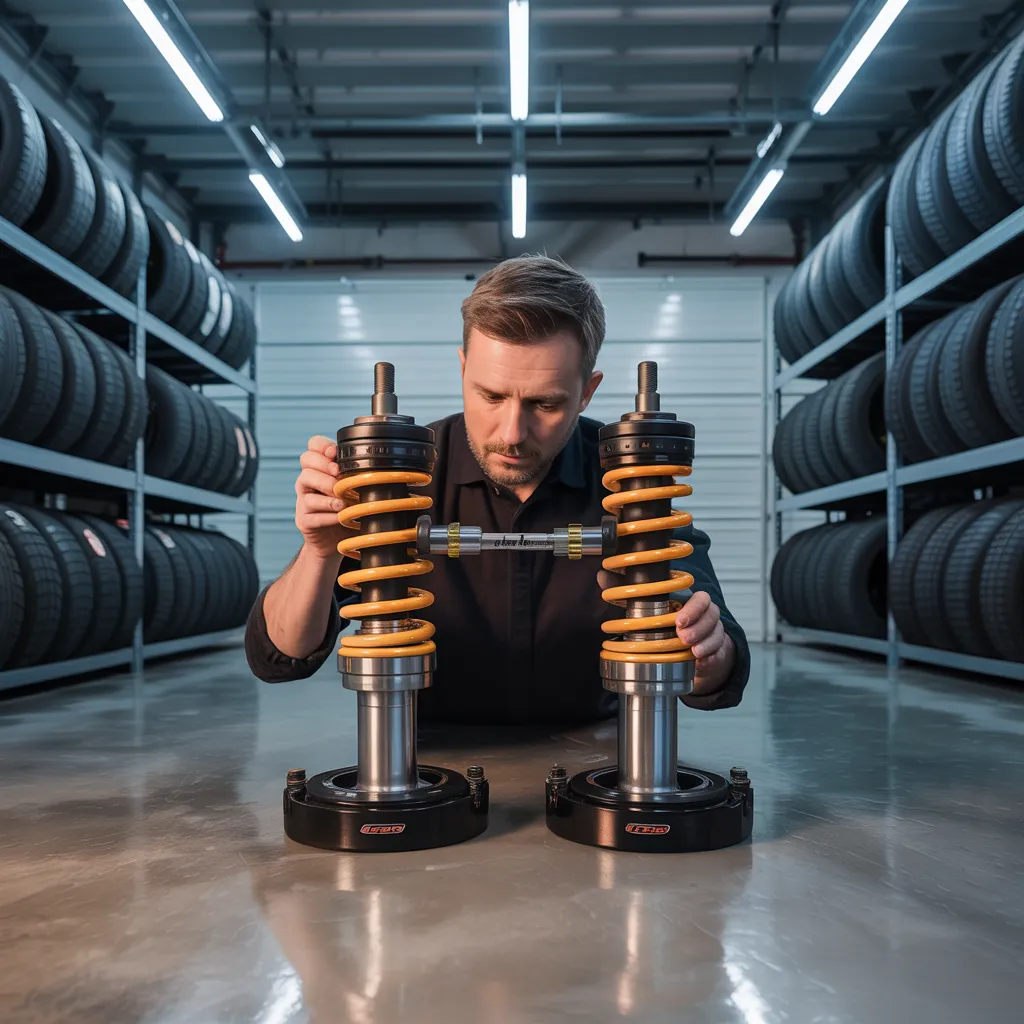
How can a vehicle owner accurately determine their car's part requirements? First, it is crucial to reference the owner's manual, which offers specific information about part numbers and requirements. In addition, vehicle identification numbers (VIN) can be used to identify exact parts needed for a particular make and model. Online databases and automotive forums provide insights into common issues and recommended substitutes, assisting in the identification process.
An additional valuable way is to conduct a close inspection of the vehicle. Spotting damaged or damaged parts can facilitate the identification of necessary replacements. Additionally, working alongside a trusted mechanic for a diagnostic assessment can clarify part needs, especially with more complicated issues. Combining these techniques—manual reference, VIN analysis, online resources, visual inspection, and professional consultation—allows vehicle owners to accurately determine the parts needed for their vehicles, ensuring optimal performance and safety.
Local Auto Parts Stores: Positives and Negatives
Auto parts stores in your area present a convenient choice for vehicle owners seeking immediate access to parts. These stores usually have knowledgeable employees who can help with selecting the right components, offering valuable advice on installation and compatibility. Moreover, local stores consistently carry a selection of brands, allowing customers to choose based on quality and price.
However, there are limitations to assess. Charges at local auto parts stores may be greater against online retailers, reducing affordability for some consumers. Additionally, stock can vary considerably, which might result in a limited choice for specific or less common parts. Also, store hours can be confining, making it challenging for those with busy schedules to shop.
In the final analysis, local auto parts stores represent a mixed bag of advantages and disadvantages, making it essential for vehicle owners to balance their options based on immediate needs and long-term affordability.
Leading Online Distributors for Auto Parts
Shoppers who enjoy the benefit of ordering from home, will find that online outlets of car parts deliver a remarkable alternative to local auto parts stores. Prominent platforms like AutoZone, RockAuto, and Advance Auto Parts supply substantial catalogs consisting of everyday components alongside specialized products. These retailers commonly boast simple interfaces that support customers in searching by vehicle make and model, safeguarding compatibility with their distinct needs.
Furthermore, Amazon and eBay have become major players in the car parts market, offering a wide selection of choices, often at affordable prices. Many online retailers also offer customer reviews, which can improve purchasing confidence. Additionally, the ability to compare prices across multiple sites allows buyers to discover the greatest bargains. With the added benefit of home delivery, online shopping for car parts has become progressively appealing for consumers seeking both quality and affordability.
Reasons to Consider Auto Recyclers as A Worthy Option Solution
While numerous car owners may overlook salvage yards as a practical alternative for acquiring components, these facilities often provide significant benefits that can lead to significant cost reduction. Salvage yards typically offer a broad variety of used parts at a fraction of the cost of new components, making them an attractive choice for budget-conscious individuals. Customers can find everything from engines and transmissions to body panels and interior components, often in good condition.
Additionally, acquiring from salvage yards promotes environmental responsibility by advancing reuse and decreasing waste. Many yards also enable customers to inspect parts directly, guaranteeing fit and quality before placing a buy. Skilled staff can assist in identifying the appropriate components, further boosting the shopping experience. For those prepared to dedicate a bit of time in hunting, salvage yards can uncover great deals, turning them a smart choice for anyone seeking car parts.
Aftermarket Compared to OEM Car Parts: Important Differences
When comparing aftermarket and OEM car parts, several key differences appear. Performance and quality can vary greatly, influencing the reliability of repair work. Additionally, cost considerations and warranty offerings serve as crucial factors in a buyer's decision-making process.
Quality and Performance Factors
Maneuvering the selection between aftermarket and OEM car parts requires an understanding of their distinct qualities and performance capabilities. OEM parts are manufactured by the original vehicle manufacturer, ensuring precise fit and adherence to factory specifications. These components often provide reliability and durability, as they undergo rigorous testing. Conversely, aftermarket parts are produced by third-party companies and can vary widely in quality. While some aftermarket options may match or exceed OEM standards, others might compromise on performance or durability to reduce costs. Buyers should consider factors such as warranty, compatibility, and material quality when evaluating either type. Ultimately, the right choice copyrights on individual needs, vehicle requirements, and performance expectations.
Price Evaluation and Cost-Effectiveness
Knowing the cost distinctions between aftermarket and OEM vehicle parts is fundamental for smart purchasing. OEM parts, manufactured by the vehicle maker, often carry a higher cost because of their assured fit and strict compliance with factory standards. Meanwhile, aftermarket parts, developed by independent producers, typically offer more attractive pricing, making them favored by budget-conscious buyers. However, the quality of aftermarket parts can vary widely, which may affect lifespan and effectiveness. Although upfront price are important, buyers should also take into consideration potential long-term expenses related to vehicle longevity and dependability. In conclusion, weighing initial investment against possible future repairs or replacements is critical for achieving both affordability and reliability in vehicle upkeep.
Warranty and Support Options
Warranty and support features act as an important consideration in the purchasing process for buying car parts. When contemplating OEM (Original Equipment Manufacturer) components, buyers often take advantage of extensive protection, expressing the maker's confidence in their product quality. These warranties typically protect from defects and affirm solid operation, nurturing confidence among patrons.
In contrast, alternative components may deliver varied warranty terms. Some aftermarket manufacturers deliver strong protections, while others may miss sufficient coverage, generating possible issues for the consumer. Technical assistance can also vary widely; OEM parts typically boast established customer service channels, whereas aftermarket options might offer restricted help. Ultimately, grasping these distinctions helps purchasers decide intelligently based on their priorities for quality, reliability, and peace of mind.
Examining Car Parts: Quality Indicators and Price Comparison
When evaluating car parts, it is important to recognize quality markers that signal reliability and durability. Additionally, analyzing pricing from different suppliers across various suppliers can reveal significant differences that affect overall value. Understanding warranty terms further supports consumers in making informed decisions about their purchases.
Determining Quality Characteristics
Assessing the standard of vehicle parts requires a keen approach to quality benchmarks that can greatly impact vehicle performance and longevity. First, authenticity is paramount; real parts often come with manufacturer labels and safeguards. In addition, materials play an important role; high-quality products are typically built from durable metals or next-generation polymers, furnishing stronger defense to wear and tear. Additionally, inspecting build quality can bring to light manufacturing standards; precise dimensions and smooth surfaces often point toward premium craftsmanship. Certifications from prestigious groups can also serve as a reliable quality benchmark. Finally, shopper reviews and professional expertise supply pertinent information into the longevity and trustworthiness of specific parts. By detecting these markers, consumers can make informed choices that contribute to their vehicle's overall performance.
Comparing Price Choices
When analyzing car parts, comparing price options is fundamental for ensuring both quality and budget alignment. Price variations can signal differences in quality, so consumers should consider multiple sources, including online retailers, local auto parts stores, and dealerships. It is important to consider not just the price tag but also the part’s reputation for reliability and performance. Using tools such as price comparison websites can make easier this process, allowing buyers to easily identify the best deals. Additionally, examining customer reviews and ratings helps measure product satisfaction. Ultimately, a well-rounded approach to price comparison, factoring in quality indicators alongside cost, will lead to informed purchasing decisions that combine affordability with durability.
Grasping Protection Plan Conditions
Grasping warranty terms is a important dimension of purchasing car parts that often remains unaddressed. A warranty confirms the manufacturer's confidence in the product's quality and durability. Usually, warranties differ in length and coverage, presenting defects in materials and workmanship. Buyers should recognize the distinction between limited and full warranties; the former may impose restrictions or exclude certain damages. Furthermore, it's necessary to evaluate the practical tips warranty's ability to transfer, most notably for used parts. A thorough warranty can point to higher quality, providing assurance to the buyer. When comparing prices, a longer or more thorough warranty can justify a higher cost, as it may reduce expenses on potential future maintenance. At the core, understanding these terms enhances informed buying decisions for car parts.
Steering through the field of car parts shopping involves a strategic approach, whether electronic or conventional. Customers should undertake by locating the particular parts they need, securing compatibility with their motorcar. Online shoppers can benefit from comparing prices across multiple websites, harnessing user opinions to gauge craftsmanship and reliability. It's critical to inspect return conditions to evade potential issues.
When making offline purchases, visiting local auto parts stores gives customers the chance to physically inspect items and seek expert advice. Developing relationships with knowledgeable staff may lead to personalized recommendations. Furthermore, consumers should pay attention to timing; sales events or holiday promotions frequently yield significant savings.
Both online and offline buyers should also stay alert about copyright products, favoring reputable retailers. Finally, a thorough understanding of warranty terms can offer further assurance of durability and reliability, guaranteeing that consumers choose wisely in their car parts buying.
Commonly Sought Questions
How Do I Know if a Part Is Compatible With My Vehicle?
In order to determine part compatibility, one must verify the vehicle's make, model, and year, consult the owner's manual, and use online databases or part retailers that offer compatibility filters for correct matching.
What Guarantees Usually Include Car Parts?
Typically, guarantees on car parts range from 30 days to lifetime coverage, based on the manufacturer and part type. These warranties often protect against defects but may exclude damage from incorrect fitting or misuse.
Can I Send Back Car Parts if They Don't Fit Properly?
Yes, the vast majority of retailers accept returns of car parts that don't fit, as long as they remain unused and in original packaging. It's vital for buyers to look over specific return policies before making a purchase to circumvent complications.
Can you discover time-of-year offers on car parts?
Seasonal sales for car parts often take place during holidays, year-end inventory clearances, and major shopping days. Retailers typically provide discounts, making it an ideal time for customers to purchase parts at reduced prices.
How Can I Locate Local Technicians for Setup?
To locate local mechanics for installation, one can use online directories, feedback websites, and social network suggestions. Additionally, seeking friends or family for suggestions often produces trustworthy local options for car maintenance.